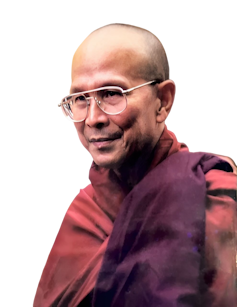
Venerable Sayadaw U Silananda
Full Name: Sayadaw U Silananda
Dhamma Name: Sīlānandabhivamsa
Born: December 16, 1927, Mandalay, Myanmar
Passed away: August 13, 2005, San Francisco, California, USA
Practice: Theravāda, Mahāsi tradition
Early Life and Education
Venerable Sayadaw U Silananda was born into a devout family in Mandalay. His father, Saya Saing, was a renowned architect who contributed to many religious buildings in Myanmar. From a young age, Sayadaw demonstrated exceptional scholarly abilities, excelling in Pāli and Buddhist studies.
At 16, he was ordained as a novice monk at Mahavijjodaya Chaung Monastery under Sayadaw U Pannavata, receiving the Dhamma name Sīlānanda, and received higher ordination in 1947. By 1948, he had passed all three Government Pāli examinations and earned advanced scholarly degrees in the following years.
Scholarly Contributions
Between 1954 and 1956, Sayadaw U Silananda served as an editor of the Tipiṭaka and Commentaries during the Sixth Buddhist Council in Rangoon. He also compiled the Tipiṭaka Pāli-Burmese Dictionary, contributing greatly to the preservation and dissemination of Theravāda Buddhist texts.
Teaching and Meditation Practice
Sayadaw U Silananda was a prominent teacher of Vipassanā meditation in the Mahāsi tradition. In 1979, he traveled to the United States with Venerable Mahāsi Sayadaw to teach meditation and Dhamma. He remained in the U.S., serving as Spiritual Advisor of the Theravāda Buddhist Society of America and guiding several other Buddhist centers.
At the Tathāgata Meditation Center, his teachings continue to inspire practitioners, emphasizing direct experience and personal investigation on the path to enlightenment.
Legacy
Venerable Sayadaw U Silananda’s contributions to Buddhist scholarship and meditation practice have left a lasting mark on the global Dhamma community. His teachings and guidance continue to inspire practitioners worldwide, preserving the Theravāda tradition for future generations.
ဆရာတော် ဦးသီလာနန္ဒာဘိဝံသ၏ ထေရုပ္ပတ္တိ အကျဉ်း
၁၉၂၇-ခုနှစ်၊ ဒီဇင်ဘာလ ၁၆-ရက်နေ့တွင် မန္တလေးမြို့၌ ဖွားမြင်တော်မူခဲ့၏။
၁၉၄၃-ခု၊ ဧပြီလ ၁၄-ရက်နေ့တွင် ရှင်သာမဏေအဖြစ်သို့ ရောက်ရှိခဲ့၏။
၁၉၄၇-ခုနှစ်၊ ဇူလိုင်လ ၂-ရက်နေ့တွင် ရဟန်းအဖြစ်သို့ ရောက်ရှိခဲ့၏။
၁၉၅၀-ခုနှစ်တွင် သာသနဓဇသိရီပဝရ ဓမ္မာစရိယဘွဲ့ ရရှိခဲ့၏။
၁၉၅၄-ခုနှစ်တွင် သကျသီဟ ဓမ္မာစရိယဘွဲ့ကို ရရှိခဲ့၏။
၁၉၅၇-ခုနှစ်တွင် သီရိလင်္ကာနိုင်ငံမှ G.C.E. စာမေးပွဲတွင် ပါဠိ, သက္ကတဂုဏ်ထူးများဖြင့် အောင်မြင်ခဲ့၏။
၁၉၅၇-ခုနှစ်တွင် တိပိဋက ပါဠိမြန်မာအဘိဓာန်ဌာနတွင် တာဝန်ခံကျမ်းပြုဆရာတော်အဖြစ် ထမ်းဆောင်ခဲ့ပြီး၊ အဘိဓာန် အတွဲ(၁)နှင့် (၂)တို့ကို ပြုစုရေးသား တည်းဖြတ်ခဲ့၏။
၁၉၅၈-ခုနှစ်တွင် ဆဋ္ဌသင်္ဂါယနာ တွဲဖက်အကျိုးတော်ဆောင် ဆရာတော် ဦးဝိသုဒ္ဓါဘိဝံသနှင့် အတူ ပြည်ပသာသနာပြုခရီး လိုက်ပါခဲ့၏။
၁၉၅၉-ခုနှစ်တွင် အနီးစခန်းဆရာတော်နှင့်အတူ အမေရိကန်သို့ သာသနာပြုခရီး လိုက်ပါခဲ့၏။
၁၉၆၀-ခုနှစ်တွင် ဆရာတော်ဦးသေဋ္ဌိလနှင့်အတူ ဥရောပသာသနာပြုခရီး လိုက်ပါခဲ့၏။
၁၉၆၀-ခုနှစ်တွင် မဟာဝိဇ္ဇောဒယချောင်၌ ကျောင်းထိုင်ခဲ့၏။
၁၉၆၉-ခုနှစ်တွင် မန္တလေးမြို့၊ အဘယာရာမ ရွှေဂူကျောင်းတိုက်သို့ ပြောင်းရွှေ့ သီတင်းသုံးခဲ့၏။
၁၉၇၈-ခုနှစ်တွင် ဂျပန်နိုင်ငံ တိုကျိုနှင့် ကျိုတိုမြို့တို့၌ ကျင်းပသော ကမ္ဘာ့ဗုဒ္ဓဘာသာညီလာခံသို့ တက်ရောက်ခဲ့၏။
၁၉၇၉-ခုနှစ်၊ မေလတွင် မဟာစည်ဆရာတော်ကြီးနှင့် အမေရိကန်သာသနာပြုခရီးစဉ် လိုက်ပါလာရင်း ဆက်လက်၍ သာသနာပြုရန် ဆန်ဖရန်ဆစ္စကိုမြို့၌ ကျန်ရစ်ခဲ့၏။
၁၉၉၃-ခုနှစ်တွင် အဂ္ဂမဟာပဏ္ဍိတ ဘွဲ့တံဆိပ်တော်ကို ရရှိခဲ့၏။
၁၉၉၈-ခုနှစ်၊ ဒီဇင်ဘာလတွင် အပြည်ပြည်ဆိုင်ရာ ထေရဝါဒဗုဒ္ဓသာသနာပြုတက္ကသိုလ်၏ ပထမဦးဆုံး ပါမောက္ခချုပ်ဆရာတော် ဖြစ်ခဲ့၏။
၁၉၉၉-ခုနှစ် အဂ္ဂမဟာသဒ္ဓမ္မဇောတိကဓဇ ဘွဲ့တံဆိပ်တော်ကို ရတော်မူခဲ့၏။
၂၀၀၀-ပြည့်နှစ်တွင် ဂုဏ်ထူးဆောင်စာပေပါရဂူဘွဲ့ (Doctor of Letters)ကို ရတော်မူခဲ့၏။
၂၀၀၅-ခုနှစ်တွင် အဘိဓဇ အဂ္ဂမဟာသဒ္ဓမ္မဇောတိက ဘွဲ့တံဆိပ်တော်ကို ရတော်မူခဲ့၏။
၂၀၀၅-ခု၊ ဩဂုတ်လ ၁၃-ရက်နေ့တွင် တစ်ဘဝ တစ်ခန္ဓာ ချုပ်ငြိမ်းတော်မူခဲ့၏။